Foundation
The Community SWEEP Programme was conceived by a group of Ugandan Nationals and professionals in the Diaspora, cutting across all disciplines, gender and religion to try to bridge an existing capacity building, service delivery and information gap between International organizations, Development agencies and national and local governments, national and community Based Organization's (CBO's) particularly marginalized women organizations.
The focus of Community SWEEP is to promote opportunities that reduce Poverty and Hunger as well addressing Health disparities, Education and Gender inequalities, Climate Change Disasters and Environment injustices in Uganda by building the capacity of district local governments, national and local NGOs ,CBOs and FBOs through training in problems assessment, project design, service delivery monitoring ,evaluation , sustainability , replication, scaling-up , accountability and dissemination of results, so that those trained in turn are able to implement supportive initiatives for the vulnerable groups.
Vision
"A Poverty and Hunger Free Uganda , Cushioned against Health disparities, Educational and Gender inequalities, Climate Change Disasters and Environment injustices"
Mission
"To contribute to the achievement of the UN Sustainable Development Goals (SDGs) through Generation of non-profit project activities for support from within Uganda and via Global Partnerships and Networks to address the interconnected problems of Poverty, Hunger, Health disparities, Educational and Gender inequalities, Climate Change Disasters, Environment injustices , and other interconnected challenges in Sub-Saharan Africa" .
Membership
Membership to the Community SWEEP Programme is open to all Ugandans and Non-Ugandan Nationals, individuals ,families and groups, irrespective of gender, sex orientation, age, race, belief or other differences, so long as one subscribes to the Community SWEEP Vision, Mission and Goal.
Partnerships
The Community SWEEP ’s programs are designed to build in-depth partnerships between Ugandan and International Partners and NGOs, CBOs, FBOs, national and local government partners, and local communities based on mutual respect, openness and trust. .
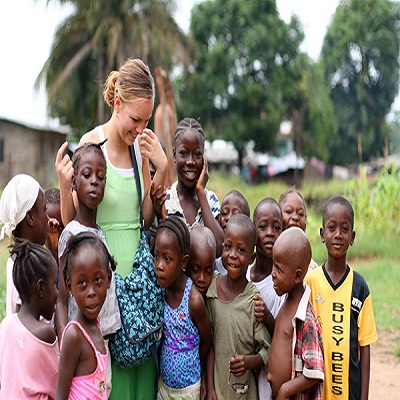
The primary direct beneficiaries of the Community SWEEP programs are Ugandan infants , children, youth ,women, elderly, disabled, conflict and climate change affected refuges, orphans, persons living with HIV/AIDs, shelter- less, indigenous peoples ,migrants and other vulnerable groups, who will have equitable access to health , education, modern energy services, and those who will find work, live decently, and have knowledge and skills to combat climate Change, and protect the environment including life under water and in air under the Community SWEEP Global Inspired Partnerships.
The immediate families , government , and donor support will have a reduced burden of resource mobilization through the improved quality of life that will result. The Ugandan government stand to be the biggest indirect beneficiary as result of the reduced expenditure on social services and enhanced revenue that will result from the Community SWEEP Programme directly and indirectly supported employment opportunities created and accruing taxes.
The UN SDG goals, as they stand today, will find a significant implementation deficit. This will be most effectively addressed by engaging the private sector—not by appealing for the private sector goodwill, but by making the case that poverty eradication can also be a winning business opportunity. Companies, agencies and organizations that support Community SWEEP by providing free or subsidized services such as MOOCs, and products such as seed, fertilizer, credit, and production technologies will be key beneficiaries in the ownership of the SDGs results .
Based on all UN goal oriented supported projects , Community SWEEP will increase significantly the availability of high-quality, timely and reliable data disaggregate by income, gender, age, race, ethnicity, migratory status, disability, geographic location and other characteristics relevant to the achievement of the UN goals in African supported countries .
